Common Fridge Storage Pain Points and Personal Experience
For years, I struggled with a messy, overstuffed fridge that wasted valuable cold storage space. Food items jumbled together, with leftovers buried under groceries and small items lost at the bottom. I often found expired food or spoiled produce, which meant constant waste and frustration. A few years ago, I tried random containers but they never fit right. After switching to purpose-built fridge organizers from Greenside, everything changed. I gained nearly 30% more usable space, food stayed fresh longer, and I could find items in seconds. This real-world experience shows that a well-designed fridge organizer isn’t just about tidiness—it’s about unlocking your fridge’s full storage potential. Greenside, a trusted plastic storage manufacturer with 18 years of expertise, creates fridge organizers tailored to real household needs.
Understanding Fridge Zones and Organizer Placement
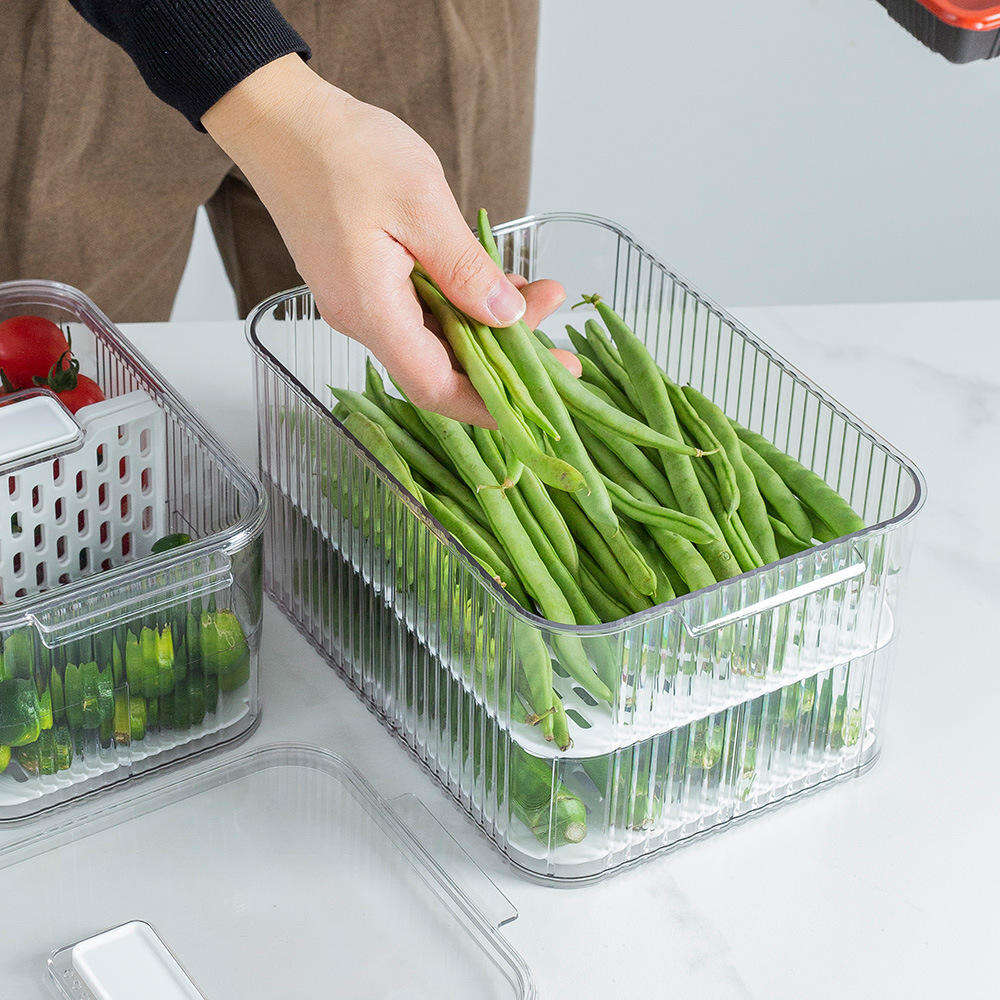
Maximizing fridge space starts with understanding temperature zones. The top shelf stays coldest, ideal for dairy and ready-to-eat foods. Middle shelves suit leftovers and condiments. Bottom drawers are coldest and humid, perfect for fruits and vegetables. Door shelves are warmest, best for drinks and sauces. Fridge organizers should align with these zones. Greenside’s fridge organizers come in varied sizes and shapes: tall bins for bottles, shallow trays for leftovers, and divided boxes for small items. Their stackable design fits standard fridge dimensions. I use tall Greenside organizers on the door for beverages, shallow trays on middle shelves for meals, and crisper-style bins at the bottom for produce. Matching organizer type to zone eliminates gaps and maximizes every inch.
Choosing the Right Fridge Organizer Types
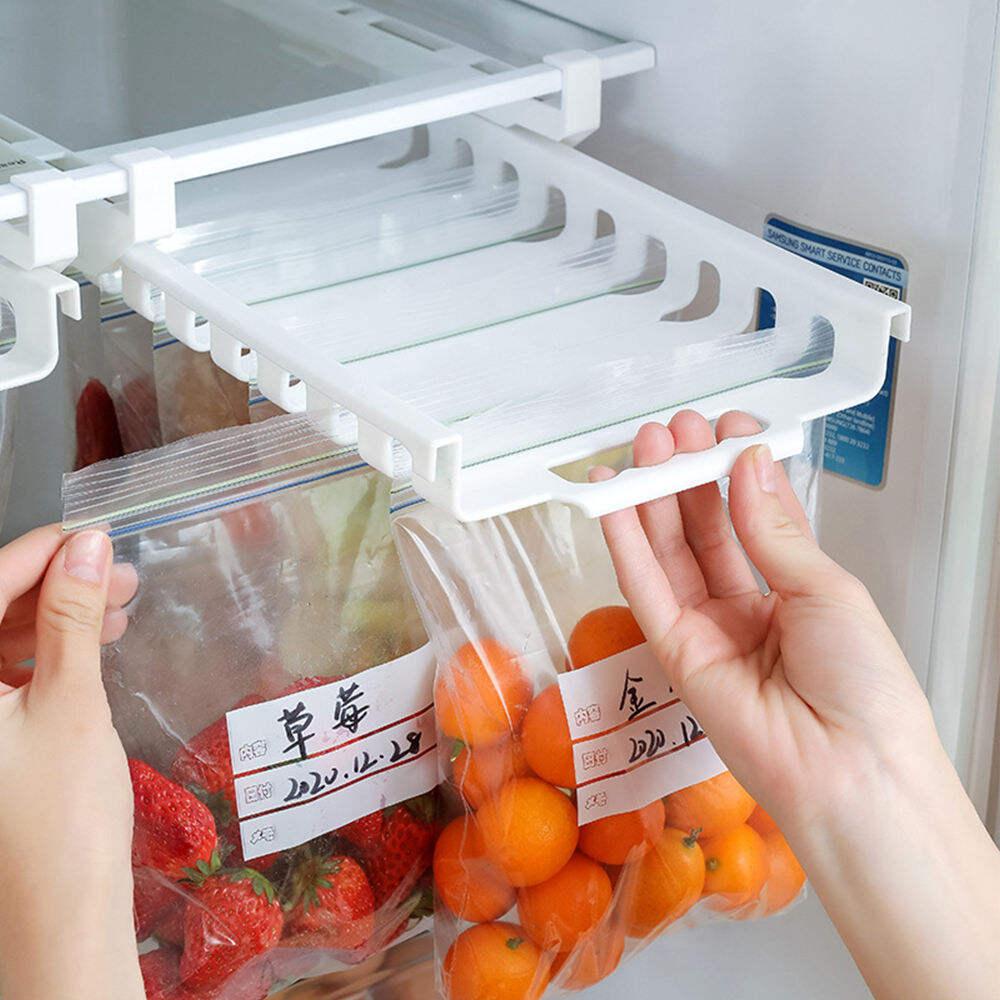
Different food categories need specific fridge organizers. Tall, narrow bins work for milk, juice, and condiment bottles. Shallow, flat trays keep leftovers and deli meats organized. Drawer-style bins with dividers sort fruits, veggies, and snacks. Small compartmental boxes hold herbs, cheese, or medication. Greenside offers a full lineup of fridge organizers: stackable bins, drawer dividers, bottle racks, and egg holders. Made from durable, food-safe plastic, they’re BPA-free and easy to clean. Their transparent design lets you see contents at a glance. I mix and match Greenside organizers: stackable bins for bulk items, drawer dividers for veggies, and bottle racks for sauces. Each type serves a unique purpose, ensuring no space is wasted.
Space-Saving Arrangement Techniques
Strategic arrangement turns a cluttered fridge into an efficient system. First, use vertical stacking: place taller organizers at the back, shorter ones in front. This maximizes depth. Second, group similar items together—all dairy in one bin, all snacks in another. Third, use drawer organizers for loose items like berries or herbs. Fourth, utilize door space fully with slim bottle racks. Greenside’s fridge organizers are designed for these techniques. Their modular design lets you mix sizes. The non-slip base keeps bins stable. Their stackable structure saves vertical space. I arrange Greenside organizers with taller bins at the back, shallow trays forward, and divided drawers below. This setup eliminated dead space and made my fridge 25% more efficient.
Maintenance and Long-Term Efficiency
A well-organized fridge needs regular upkeep to stay efficient. Clean fridge organizers monthly with warm, soapy water. Check for expired items weekly. Restock bins logically after grocery runs. Greenside’s fridge organizers are easy to maintain: smooth surfaces wipe clean, and durable plastic resists stains. Their airtight options keep produce fresh longer. I do a quick weekly check, removing expired food and rearranging bins. Greenside’s quality ensures organizers stay sturdy for years. Choosing Greenside fridge organizers means investing in long-term space efficiency, reducing food waste, and simplifying daily routines.