My past mistakes with unsafe food storage
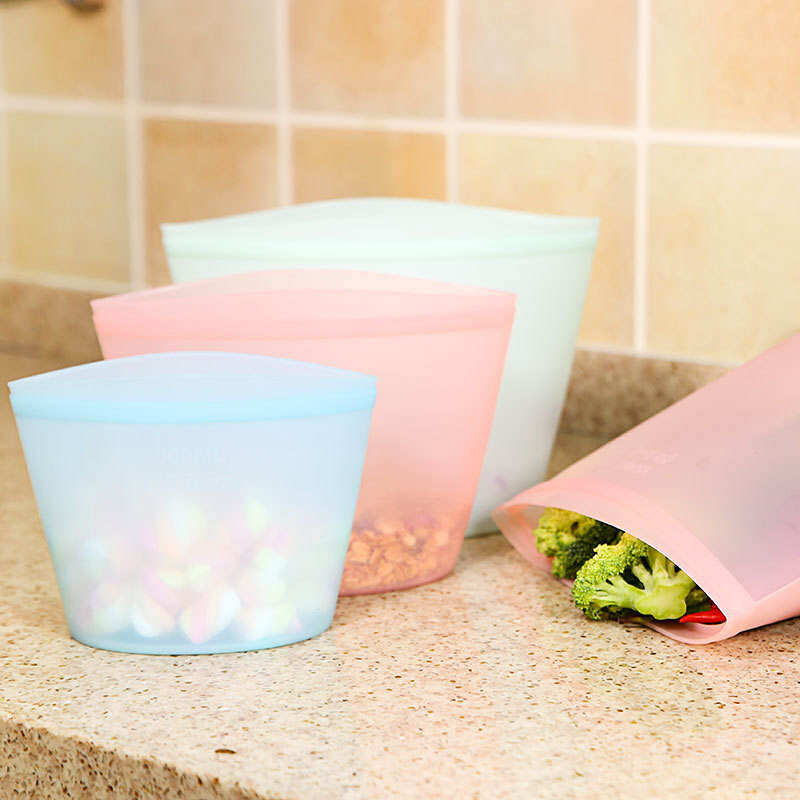
I used to be careless with leftover storage. I’d throw cooked rice, veggies, and meats into random plastic containers, slap on a lid, and stick them in the fridge. More than once, I pulled out containers a few days later to find the food smelled off or had a weird texture. Once, I ate leftover chicken that tasted fine but gave me an upset stomach—turns out the container I used wasn’t airtight, so bacteria had grown. Another time, I microwaved soup in a thin plastic container, and the bottom melted a little, leaving a strange taste in the food. I also noticed that some containers stained easily with tomato sauce or curry, and the stains never came out, making me wonder if they were safe to reuse. It wasn’t until I switched to Greenside’s food storage containers that I learned how much the right container matters. Their airtight design keeps food fresh longer, and the durable plastic handles microwaving without issues. Now I never have to worry about spoiled leftovers or unsafe containers.
Key safety features of quality food storage containers
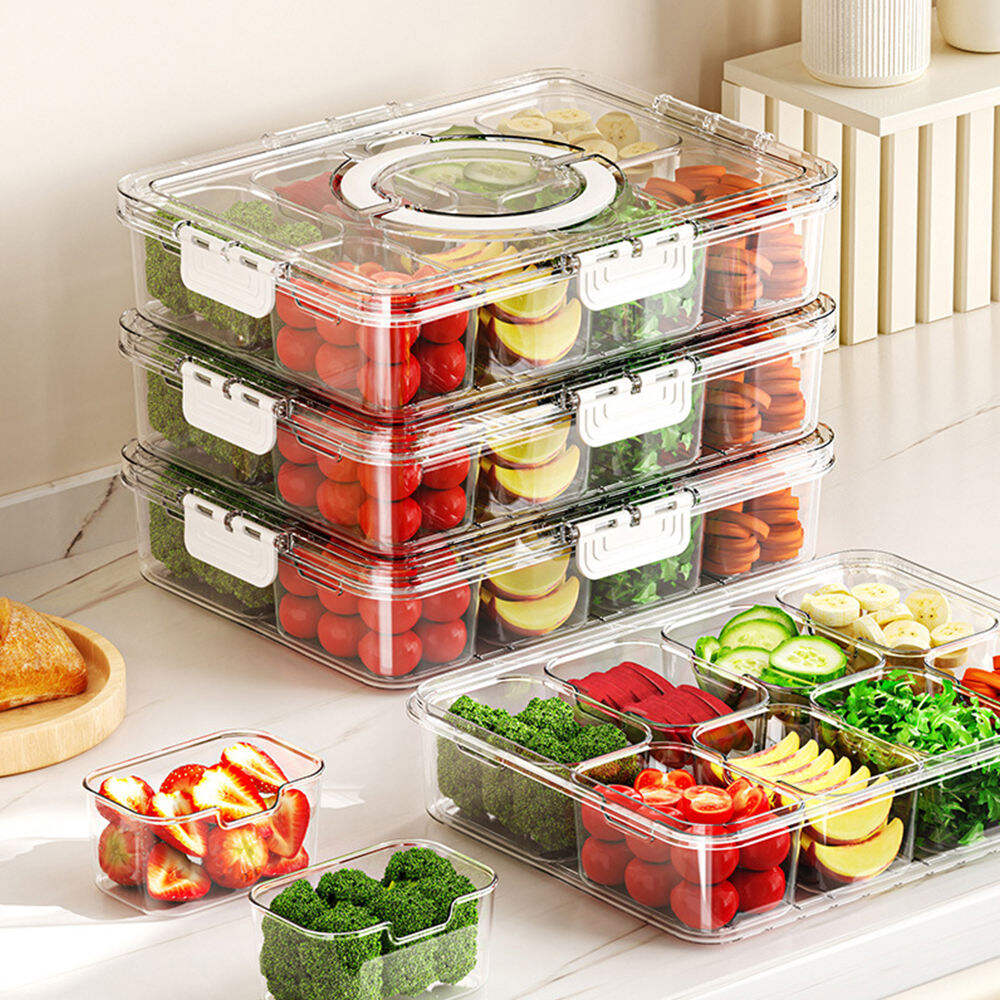
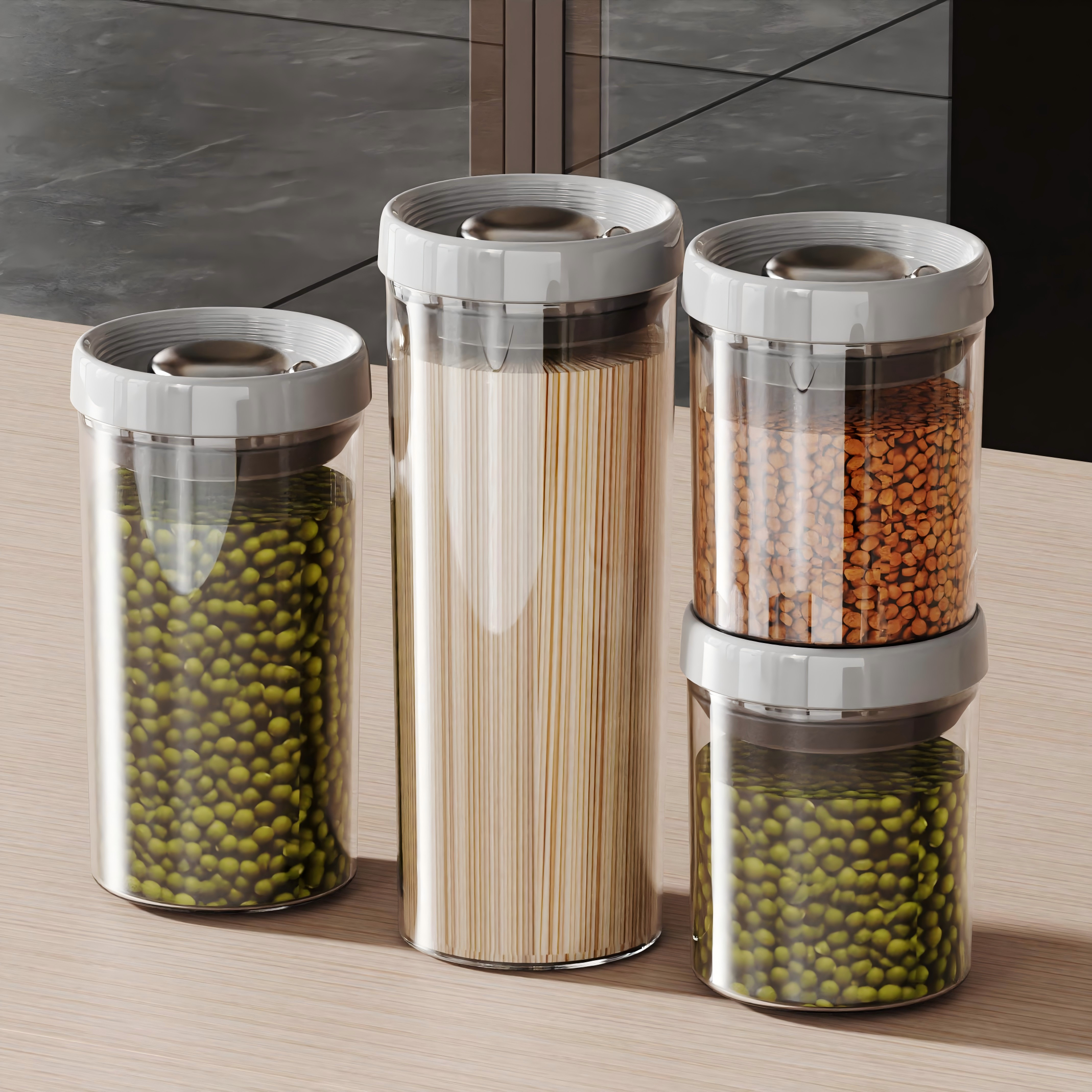
Not all food storage containers are created equal, and safety should be the top priority. Greenside’s food storage containers are designed with multiple safety features that make them perfect for leftovers. First, they use food grade eco friendly plastic that’s free of harmful chemicals like BPA. This means no toxic substances leach into your food, even when storing hot leftovers or microwaving. Second, the airtight seal is a game changer. It locks in freshness by preventing air and moisture from getting in, which slows down bacterial growth. Unlike flimsy containers with loose lids, Greenside’s lids fit snugly, keeping soups and sauces from spilling and keeping dry foods like rice or pasta from absorbing fridge odors. The containers are also durable and heat resistant, so you can safely microwave or reheat leftovers without warping or melting. They’re easy to clean too—stains wipe off easily, and they’re dishwasher safe for added convenience. Every detail is designed to keep your food safe while maintaining its quality.
Expert advice on safe leftover storage
Food safety experts emphasize that the right food storage container is just as important as how you handle leftovers. According to the Food Safety and Standards Authority, storing leftovers in improper containers can lead to rapid bacterial growth, increasing the risk of foodborne illnesses. Dr. Sarah Miller, a food safety researcher with 20 years of experience, explains “Airtight food storage containers are essential for keeping leftovers safe. They reduce exposure to oxygen, which is necessary for most bacteria to multiply. Choosing BPA free containers also eliminates the risk of chemical contamination.” Greenside, with over 14 years of experience in plastic storage products, follows these expert guidelines strictly. Their food storage containers undergo rigorous quality control and hold recognized certifications for global markets, ensuring they meet the highest safety standards. The company’s team of experts understands the science of food preservation, which is why their containers are designed to keep leftovers safe and fresh for longer periods. Whether you’re storing leftovers for a day or a week, you can trust their containers to do the job right.
Practical safe usage tips for everyday life
Using food storage containers safely isn’t just about choosing the right product—it’s also about following proper practices. First, always let leftovers cool down to room temperature before putting them in the food storage container. Putting hot food directly into a sealed container traps steam, which creates moisture and speeds up spoilage. Second, don’t overfill the container. Leave a little space at the top to allow for expansion if you’re freezing the food. Greenside’s containers come in various sizes, so you can pick the perfect one for each leftover portion. Third, label your containers with the date you stored the food. This helps you keep track of how long leftovers have been in the fridge or freezer. Most leftovers are safe to eat within 3 to 4 days in the fridge and 2 to 3 months in the freezer. Fourth, avoid reusing containers that are cracked or have loose lids—they can’t provide a proper seal. Greenside’s durable containers rarely crack, but if they do, it’s easy to replace them since the company offers a wide range of options. Following these simple tips, paired with a quality food storage container, ensures your leftovers stay safe and delicious.
Why Greenside’s food storage containers are a safe choice
When it comes to safe leftover storage, Greenside’s food storage containers stand out from the crowd. As a leading plastic storage export expert, the company has supplied reliable storage solutions to over 123 countries and regions, earning the trust of 688+ cooperative enterprises. Their food storage containers are made with the highest quality materials and advanced production equipment, including large scale plastic injection molding machines, ensuring consistency and durability. The airtight design is backed by years of research, proven to keep food fresh up to 50% longer than ordinary containers. Greenside also offers personalized customization services, so you can get containers in the sizes and shapes that fit your needs—whether you need small containers for snacks or large ones for family sized leftovers. With a 16190+ square meter warehouse, they can meet both personal and business demands efficiently. Every container is tested to meet global safety standards, giving you peace of mind that your leftovers are stored safely. For anyone who values food safety and freshness, Greenside’s food storage containers are the ideal choice.