
The Vertical Space Imperative in Small Fridges
Small fridge footprint vs. usable interior volume: Why horizontal space is critically constrained
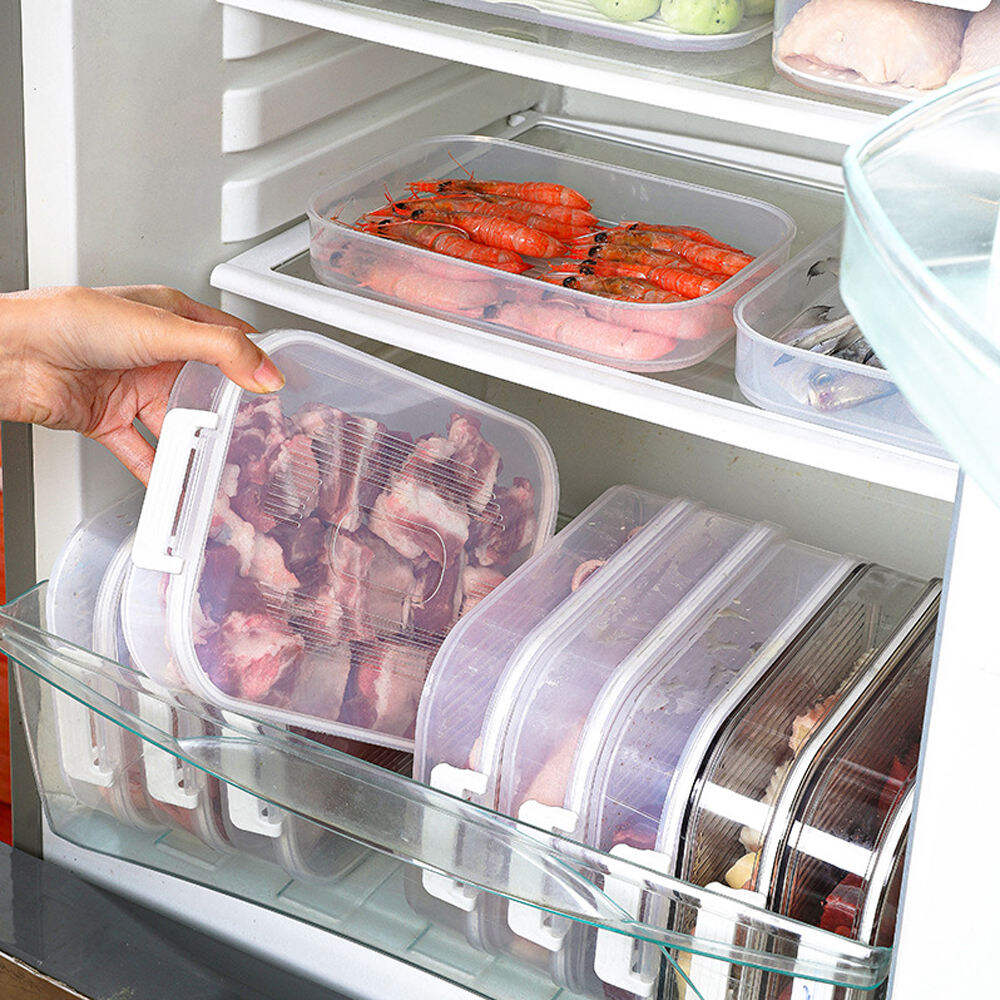
Compact fridges give up on horizontal space to work in smaller apartments and homes. Most models are around 24 to 28 inches across according to recent kitchen studies, but all those walls and cooling systems inside shrink the actual usable depth down to about 12-14 inches. What happens when we try to stack regular sized containers? They take up way too much room on the shelves, making it hard to see what's back there plus messing with proper air circulation. About two thirds of mini fridge models today have ten cubic feet or less of storage space total. Every single inch matters so much these days, especially since expanding sideways isn't really possible without completely rebuilding the whole unit from scratch. That leaves going upwards as our best bet for getting more storage out of these little appliances, which means focusing on vertical space isn't just smart design, it's pretty much necessary if we want functional compact refrigeration.
How door bins, crisper drawers, and fixed shelves limit flexibility and create visual clutter
When manufacturers install things like door bins and crisper drawers, they end up creating storage areas that just don't make good use of all that vertical space. Those fixed shelves leave about 3 to 5 inches of wasted height between different food layers according to some research from Food Storage Journal back in 2024. And those deep produce drawers? They basically hide what's inside, which means stuff gets spoiled faster than it should, maybe around 27% more often. What happens next is pretty messy. Bottles keep falling out of those tiny door pockets, condiments get lost among vegetables in the drawers, and there are always gaps on the shelves where things don't fit together logically. All this mess leads to problems for people using these fridges. About 42% of folks actually miss seeing their groceries until they're past their prime. Modular systems work much better because they can adjust to different container sizes and changing inventory needs. Factory installed stuff just locks everything into place inefficiently.
How Stackable Fridge Organizers Maximize Efficiency and Accessibility
Engineering for function: Interlocking stability, cold-air circulation, and weight distribution
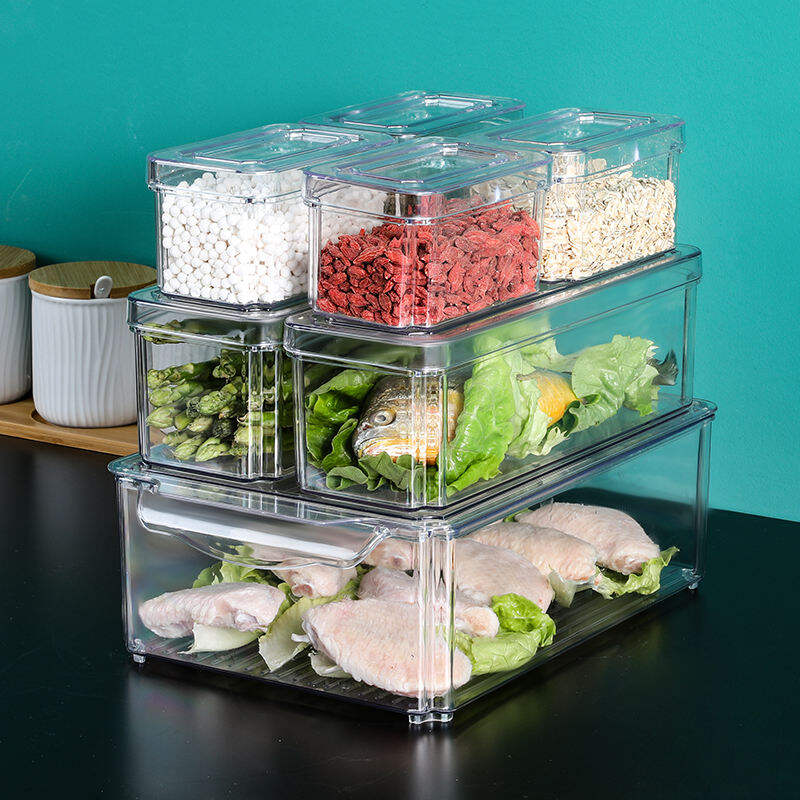
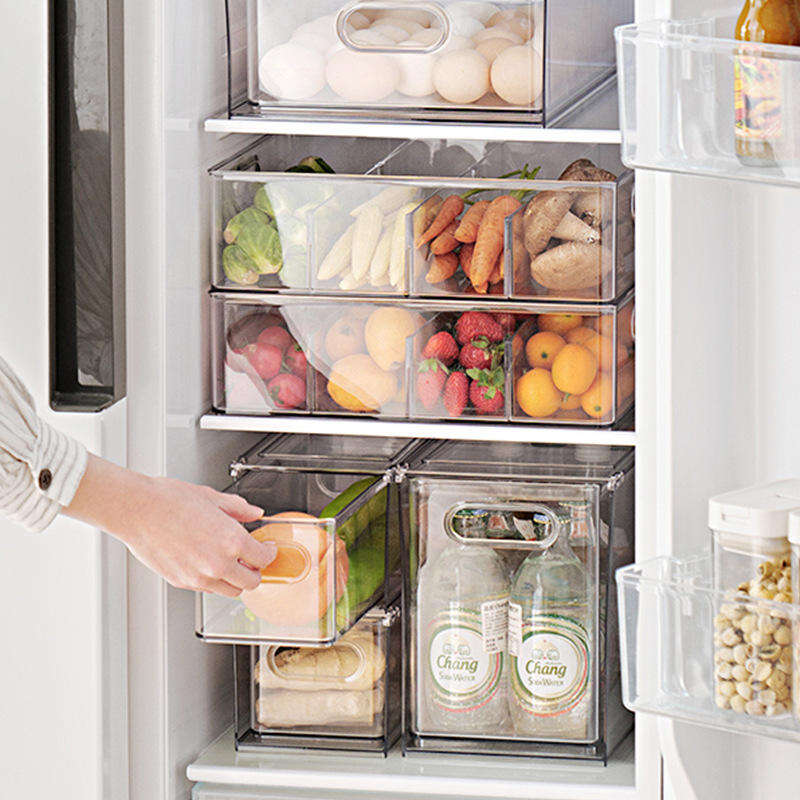
Stackable fridge organizers really make a difference when dealing with those tight spaces inside refrigerators. The way they lock together keeps everything from moving around every time someone opens the door. There are also small gaps between each level that let air flow properly throughout the fridge, so no areas get too warm and start spoiling food faster than normal. These organizers have been designed with weight in mind too. Heavier stuff like soda cans naturally go on the bottom where they won't tip over, leaving room for fruits and veggies up top where they stay fresh longer. Compared to regular shelves that just sit there doing nothing special, these modular systems actually handle weird shaped containers and turn all that wasted vertical space into something useful instead of just collecting dust.
Proven benefits: Faster item retrieval, reduced spoilage, and improved visibility versus flat-bin alternatives
Stackable storage solutions really boost efficiency in kitchens and pantries. The clear layers solve that frustrating problem of digging through deep bins to find what we need. According to some recent research from Organizational Behavior & Home Efficiency Study back in 2023, people save about half the time they spend looking for stuff when using these systems. And there's another benefit too: folks who switched to stackables noticed around 30 percent less food going bad simply because everything stays in sight until it expires. When compared against those old single layer containers, stacking actually gives us roughly 40% more space in the same area which matters a lot for folks living in small apartments with limited cabinet space. Plus, arranging things vertically makes it much easier to follow that FIFO rule where older items stay at the front naturally without having to constantly rearrange everything ourselves.
Real-World Optimization: Modular Stacking Systems for Apartment-Sized Fridges
Case study: Transforming an 18-cubic-foot fridge with stackable can dispensers and tiered clear bins
A real-world case study of an 18-cubic-foot apartment fridge demonstrated how modular stacking systems—specifically stackable can dispensers and tiered clear bins—revolutionized organization. By installing these components, users achieved:
- Enhanced visibility and access: Clear bins enabled immediate identification of contents, reducing search time by 30% based on user feedback.
- Optimized space utilization: Stackable designs maximized vertical real estate, fitting up to 50% more items without overcrowding.
-
Reduced spoilage: Improved air circulation from tiered layouts cut food waste by roughly 20%, as perishables stayed fresher longer.
This transformation underscores how a well-designed stackable fridge organizer turns cramped interiors into efficient, adaptable spaces—supporting sustainable habits like FIFO compliance and proactive expiration tracking.
Beyond Space: How a Stackable Fridge Organizer Supports Freshness and Smart Habits
Enabling FIFO Compliance, Expiration Tracking, and Behavioral Efficiency Through Vertical Layering and Transparency
Stackable fridge organizers do more than just save space they actually help keep food fresh and encourage better eating habits over time. When arranged vertically, these organizers make it easier to follow the FIFO rule naturally placing newer stuff behind what's been there longer so nothing gets left to spoil. According to research from the Journal of Household Sustainability published last year, people who switch to transparent containers waste about 30% less food than those using regular opaque ones because they can actually see what's hiding in the back corners of their fridge. Plus, the way these layers work makes it harder to forget about leftovers or half-used ingredients since everything stays visible. Most folks find themselves reaching for fresher options when they can clearly see what needs eating first.
- Taller containers naturally segregate food categories—proteins, produce, and leftovers each occupy dedicated, visible zones
- Front-facing expiration date tags remain immediately legible without rearranging items
- Uniform dimensions allow strategic placement of high-frequency items at eye level
Research shows structured layouts increase long-term system adherence by 40%, turning organization from a chore into an automatic, freshness-preserving habit. By merging visibility with vertical logic, these organizers transform chaotic fridges into responsive ecosystems that actively combat waste.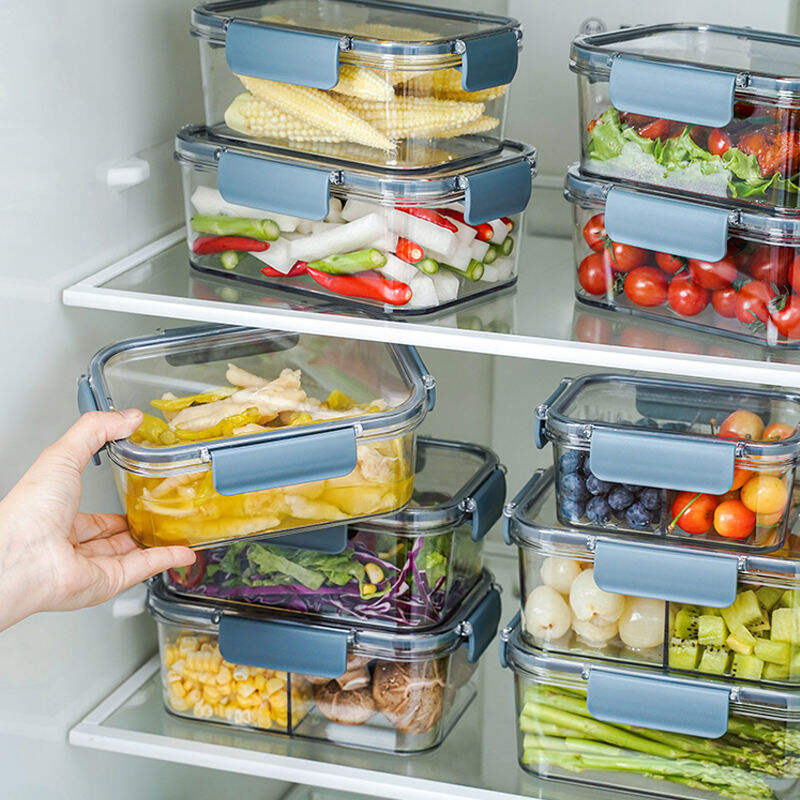
FAQ
What is the biggest challenge with small fridges?
The biggest challenge with small fridges is their limited horizontal space, which makes it hard to store items effectively while maintaining good air circulation.
How do stackable fridge organizers help?
Stackable fridge organizers maximize vertical space usage, reduce spoilage, improve visibility, and make item retrieval faster, transforming cramped interiors into efficient storage solutions.
What benefits do stackable systems offer over traditional flat-shelves?
Compared to flat shelves, stackable systems offer around 40% more storage capacity, improved air circulation, reduced spoilage, and make it easier to adhere to inventory management principles like FIFO.