
Home > News > Industry News
Walk into any home goods store, and the shelves of storage products always fall into two distinct visual camps: one side features fully transparent or semi-transparent storage boxes with crystal clarity; the other boasts solid-colored items with rich hues that completely conceal contents. Beyond mere aesthetic preference, these two choices stem from profound differences in usage scenarios, living habits and psychological demands.
From a practical perspective, this article analyzes the applicable scenarios and consumer psychology of storage products with different transparency levels, offering product selection references for buyers and brand owners.
I. Fully Transparent (PS/PET): The Efficiency Choice of Full Visibility
Material & Visual Effect
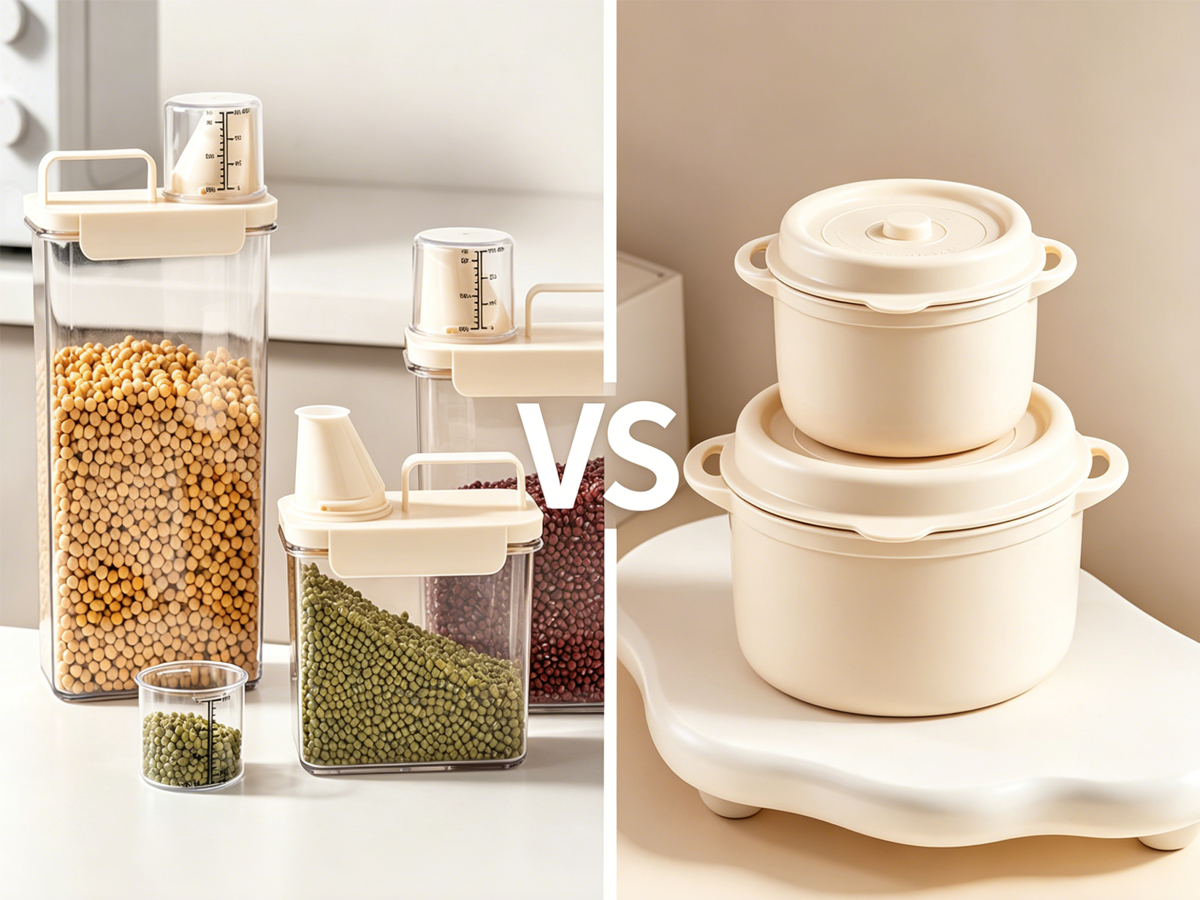
Fully transparent storage products are generally made of PS (Polystyrene) or PET (Polyethylene Terephthalate). Both materials feature extremely high light transmittance, resulting in crystal-clear finished products with contents fully visible and barely any visual obstruction.
Ideal Application Scenarios
The core advantage of fully transparent storage lies in instant visibility. It works best for storing a wide variety of frequently accessed items:
Cosmetic storage: Small essentials such as lipsticks, foundations and makeup brushes drastically cut down morning rummaging time with transparent organizers.
Stationery & office supplies: Paper clips, sticky notes, tapes and more are clearly visible inside transparent boxes.
Refrigerator food storage: Transparent food containers allow users to quickly identify leftover ingredients and reduce food waste.
Categorized storage for craft accessories, hardware parts and other small items.
Consumer Psychology
Consumers who opt for fully transparent storage prioritize efficiency over aesthetics. They are willing to compromise partial visual neatness for instant accessibility. Such products are perfect for high-traffic areas like dressing tables, office desks and countertops.
Limitations
Fully transparent designs cannot hide internal clutter. Users with poor sorting habits will only have mess amplified by transparent containers. Additionally, PS material is relatively brittle and drop-prone, while PET offers higher hardness yet comes with a higher cost.
II. Semi-Transparent/Frosted (Modified PP): The Balance of Order and Aesthetics
Material & Visual Effect
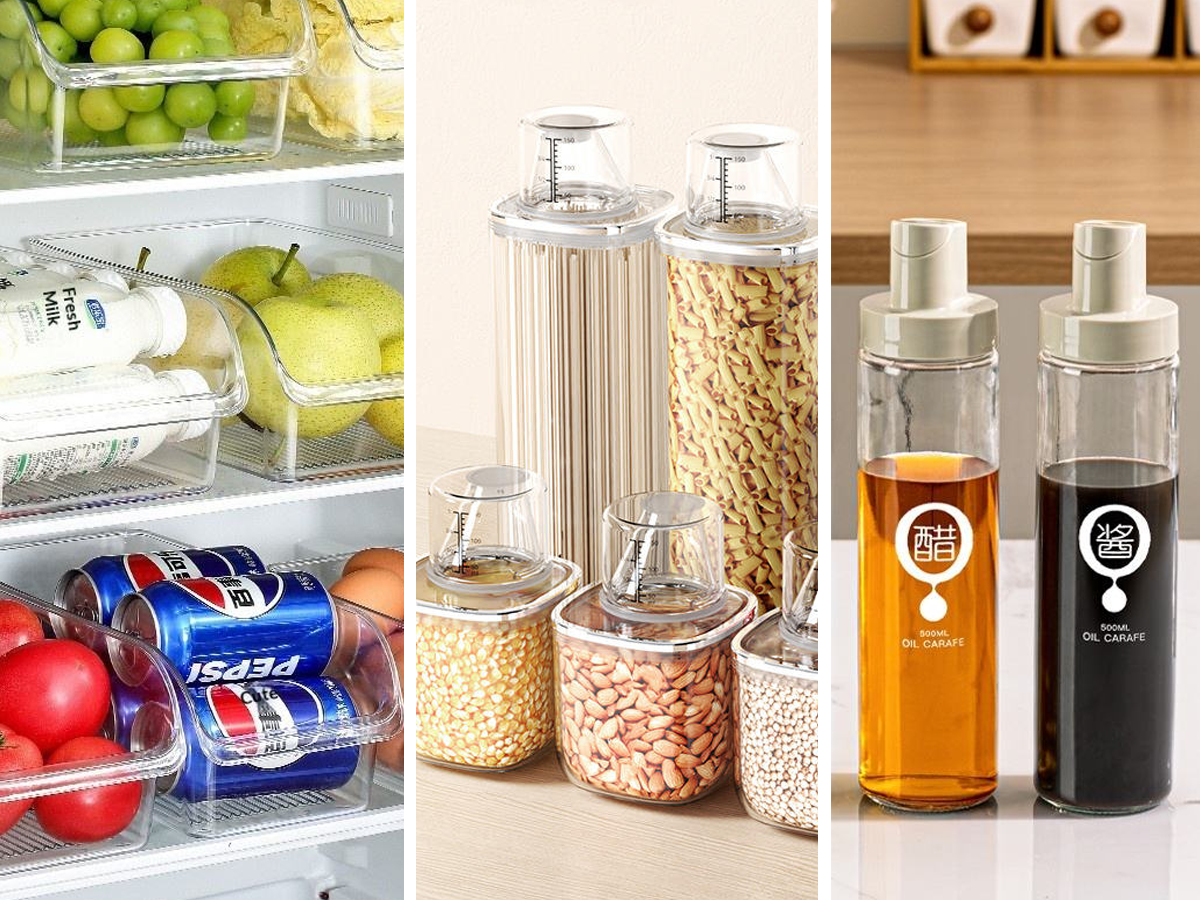
Semi-transparent or frosted storage organizers are typically crafted from modified PP (Polypropylene). By adding nucleating agents or adjusting crystallization processes, raw PP can be optimized from a natural semi-transparent state to an even frosted or matte finish. Light permeates the container, yet the outline of internal items is softened, creating a subtle "visible yet understated" visual effect.
Ideal Application Scenarios
Semi-transparent storage is an ideal pick for wardrobes, pantries and open living room storage spaces:
Underwear & sock organizers for wardrobes: The frosted finish reveals a vague outline of innerwear, enabling easy category recognition without looking messy.
Kitchen storage canisters: When holding grains, pasta and snacks, semi-transparent canisters show remaining stock while avoiding the stark exposure of fully transparent designs.
Kids’ toy storage: Frosted container surfaces tone down the vivid colors of toys, keeping the overall room layout tidy.
Consumer Psychology
Buyers of semi-transparent storage pursue controlled visibility, striking a perfect balance between functionality and neatness. This style is highly favored by fans of Nordic and Japanese minimalist decor, as it retains practical visibility without disrupting the overall harmony of interior spaces.
Craft & Cost
PP material inherently offers excellent chemical resistance and toughness. The frosted texture of modified PP is achieved via mold texture etching with no extra surface treatment required. Its cost falls between fully transparent PS and solid-color products, delivering high cost performance.
III. Opaque Solid Color: Complete Concealment for Holistic Visual Unity
Material & Visual Effect
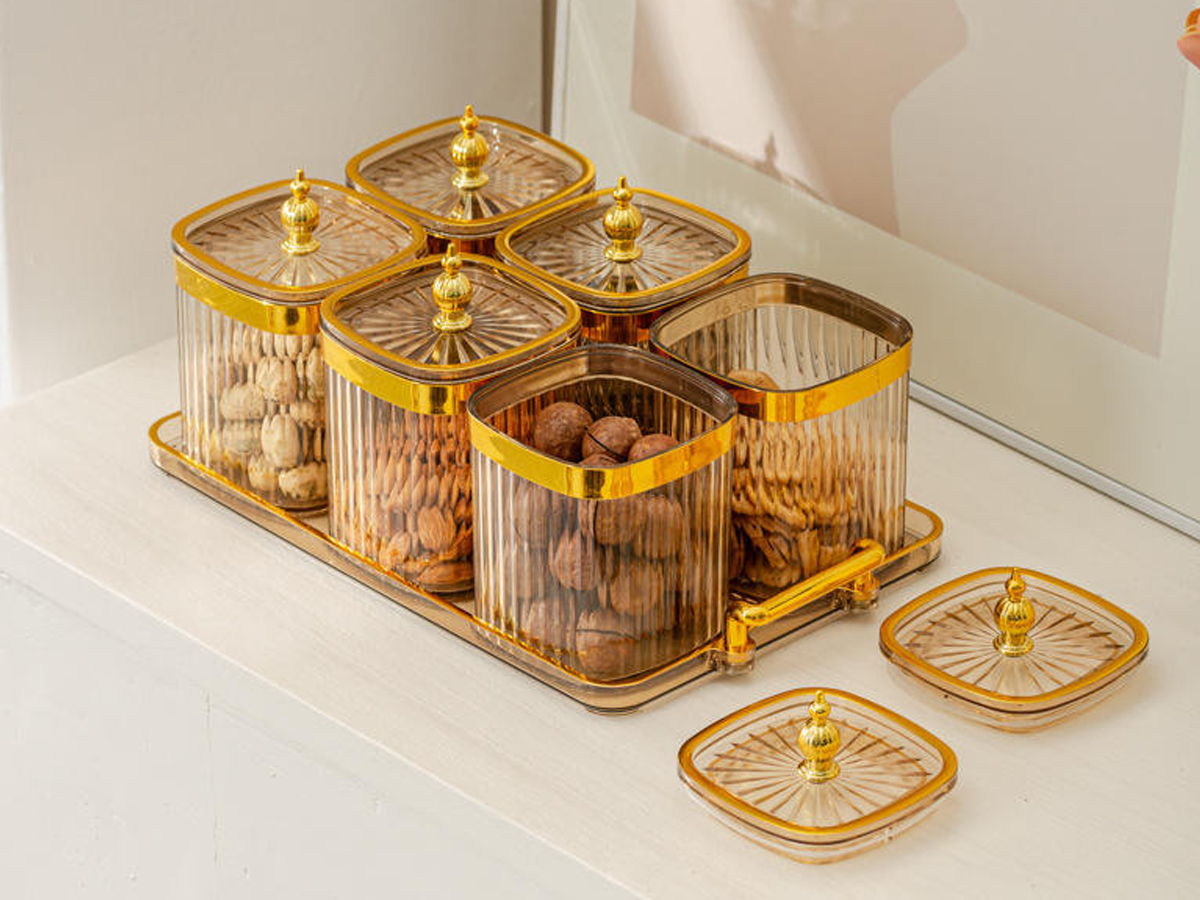
Opaque solid-color storage products can be made of PP, ABS and other materials, achieving full light opacity with high-concentration color masterbatch additives. Surfaces are available in high-gloss, matte or textured finishes with an extensive range of color options.
Ideal Application Scenarios
The core function of solid-color opaque storage is to hide clutter completely. It is best suited for rarely accessed items or objects with plain visual appeal:
Utility & storage rooms: Tools, seasonal belongings and daily spares are uniformly stored in solid-color bins to instantly streamline the space.
Kids’ playrooms: Toys can be simply dumped into solid-color storage boxes after play, restoring room tidiness without tedious sorting.
Upper wardrobe shelves: Solid-color storage bins for seasonal quilts and heavy garments eliminate the messy visual stack of belongings.
Balcony & outdoor use: Solid-color bins are more stain-resistant and evenly resist sunlight fading (light color variants work best).
Consumer Psychology
Shoppers who choose solid-color storage put overall spatial simplicity first. They accept the minor inconvenience of opening a lid in exchange for complete visual uniformity. Such products are wildly popular among users who value home aesthetics and maintain regular deep organization.
Commercial Advantages
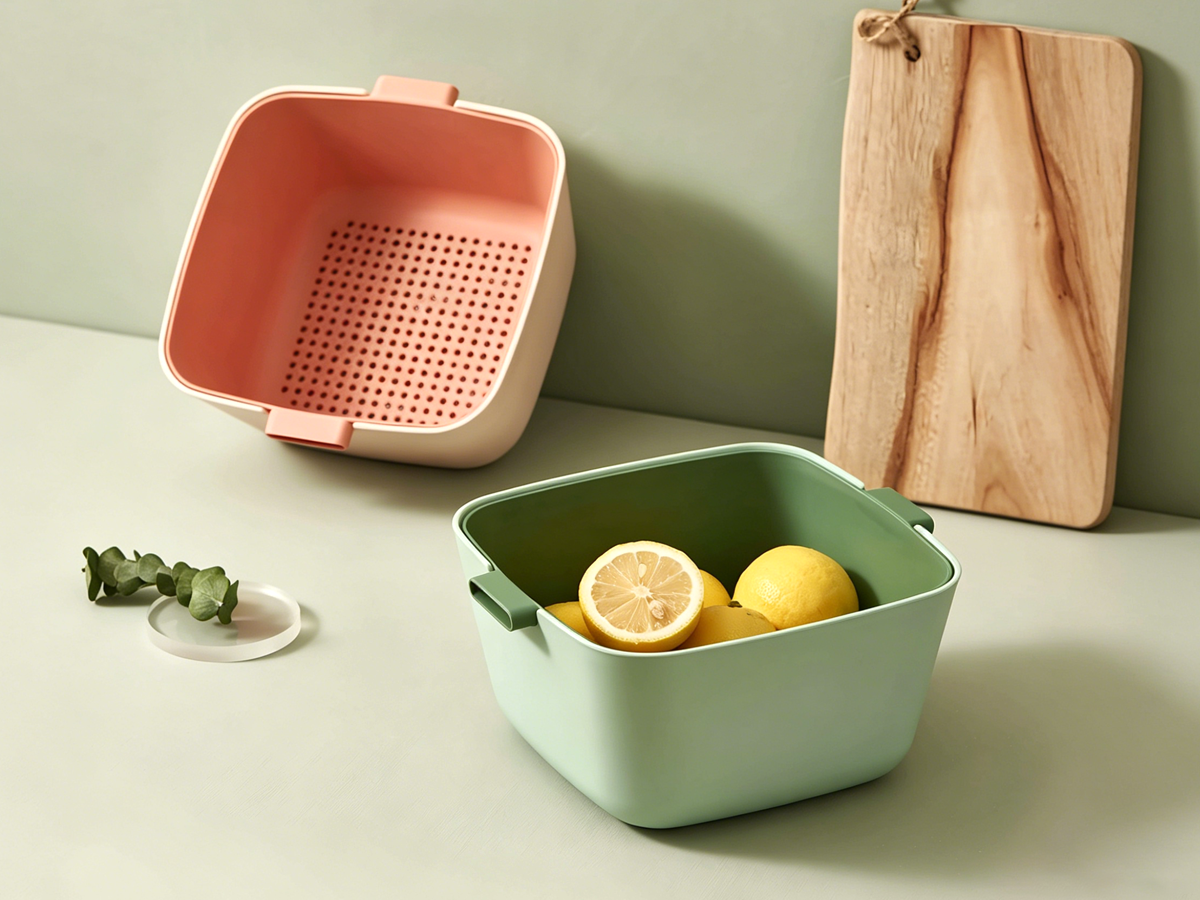
An often-overlooked merit of solid-color products is that color itself can become a brand identity symbol. By adopting a fixed color system (e.g., signature sage green, terracotta), brands can turn their storage products into home decor elements rather than mere functional tools.
IV. Consumer Psychology: Transparent vs Solid-Color, Two Philosophies of Organization
At a deeper level, consumers’ preference for transparent or solid-color storage reflects their fundamental attitude toward tidying up.
Users who favor transparent (including semi-transparent) storage regard organization as a visual management system. They want to track the location and status of every item, and even enjoy the sense of control brought by neatly arranged belongings. For them, storage is not about hiding mess, but displaying order.
In contrast, solid-color storage enthusiasts see tidying as a spatial purification ritual. They pursue visual tranquility in living spaces and avoid distraction from scattered item details. For them, storage first clears the line of sight, then calms the mind.
Neither choice is superior; both are rational options for different living scenarios. Rational consumers often combine both types throughout their homes: transparent for kitchens, solid-color for bedrooms; transparent for daily essentials, solid-color for backup supplies.
V. Product Selection Advice for Buyers: One Series, Two Style Options
Based on the above analysis, we offer a practical suggestion for buyers and brand owners: launch both transparent and solid-color versions for every new product series.
The logic is straightforward: consumers demand options, rather than being dictated to by brands. For products with identical size and structure, offering fully transparent/frosted and solid-color variants allows end users to freely match organizers according to the actual needs of each room and cabinet.
Practical Development Strategy
Fully transparent version: Adopt PS or PET material, positioned for kitchen, dressing table and office scenarios, highlighting the efficiency of instant visibility.
Frosted/semi-transparent version: Use PP material, targeted at wardrobe and living room storage, balancing visibility and aesthetic appeal.
Solid-color version: Made of PP or ABS material, designed for utility rooms, kids’ rooms and balconies, emphasizing spatial visual unity.
The three transparency variants can also adopt coordinated color schemes. For instance, the solid-color version uses the brand’s primary hue, the frosted version features a low-saturation tone of the same color family, and the transparent version retains its crystal finish. Displayed together on retail shelves, they form a cohesive product line while catering to diverse consumer preferences.
From a commercial perspective, this strategy brings an added benefit: extended product lifecycle. Consumers may first purchase transparent units for the kitchen, then repurchase solid-color variants of the same series for other spaces after moving home or changing needs, effectively boosting brand loyalty.
Conclusion
Transparent and solid-color storage are never opposing choices, but two sides of the same coin. Serving distinct scenarios and psychological needs, they share one common goal: a more organized and comfortable life.
For storage products, the game between "visible" and "invisible" always favors brands that embrace diversification and respect consumer autonomy. As manufacturers, our capability to master three production lines—transparent, semi-transparent and opaque—enables us to precisely meet the real diversified demands of the market.
Copyright © 2025 by Taizhou Greenside Co., Ltd. - Privacy policy