

Home > News > Company News
Once a container arrives at our factory gate, the next few hours of loading will determine whether the goods can arrive safely and intact at the customer’s end after a month-long sea voyage.
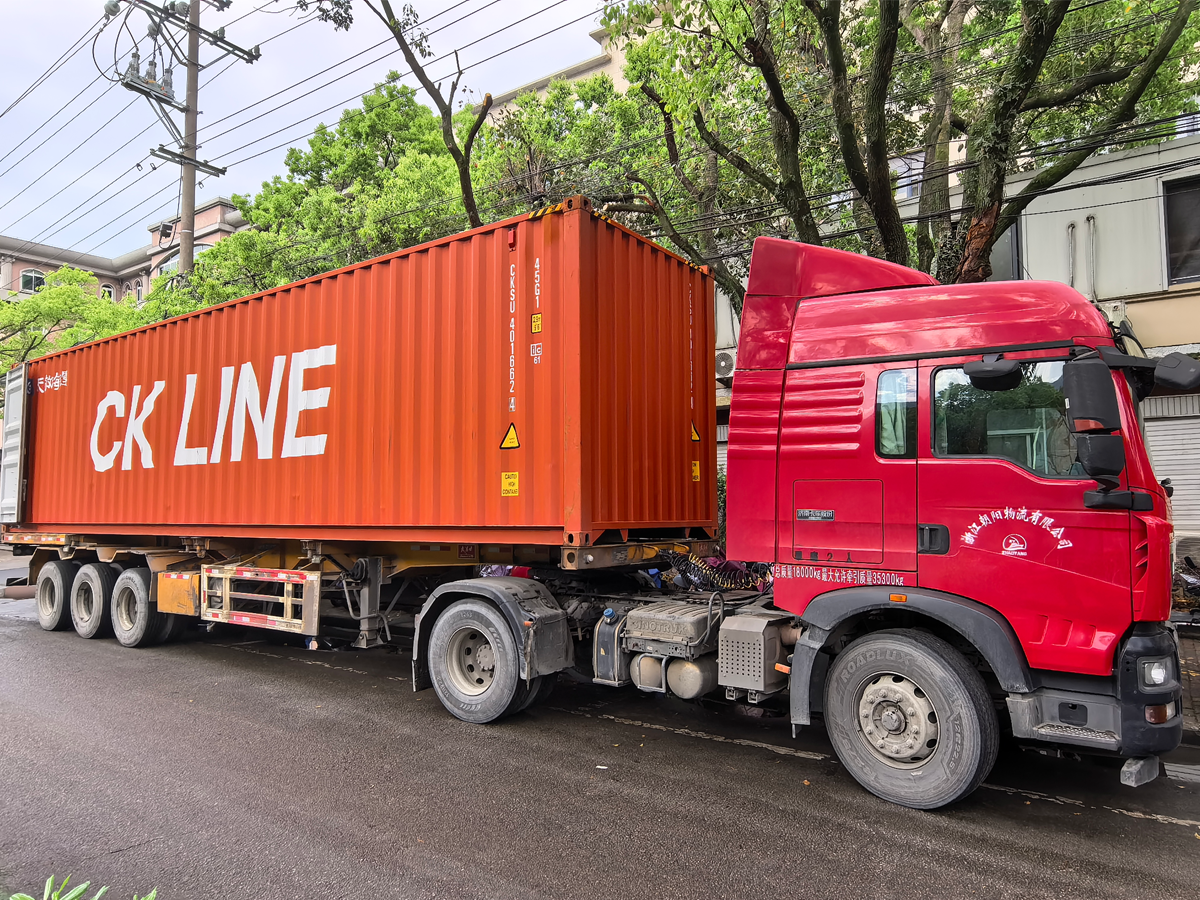
Container loading is the final step before shipment, yet it is also the most easily overlooked part. Many people think it’s just “loading the goods in any way possible”, but we know there is a world of difference between stuffing and loading properly.
With over 500 containers shipped annually, we are dispatching goods almost every single day—during peak periods, we handle seven to eight containers simultaneously. The busier we get, the more we refuse to cut corners.
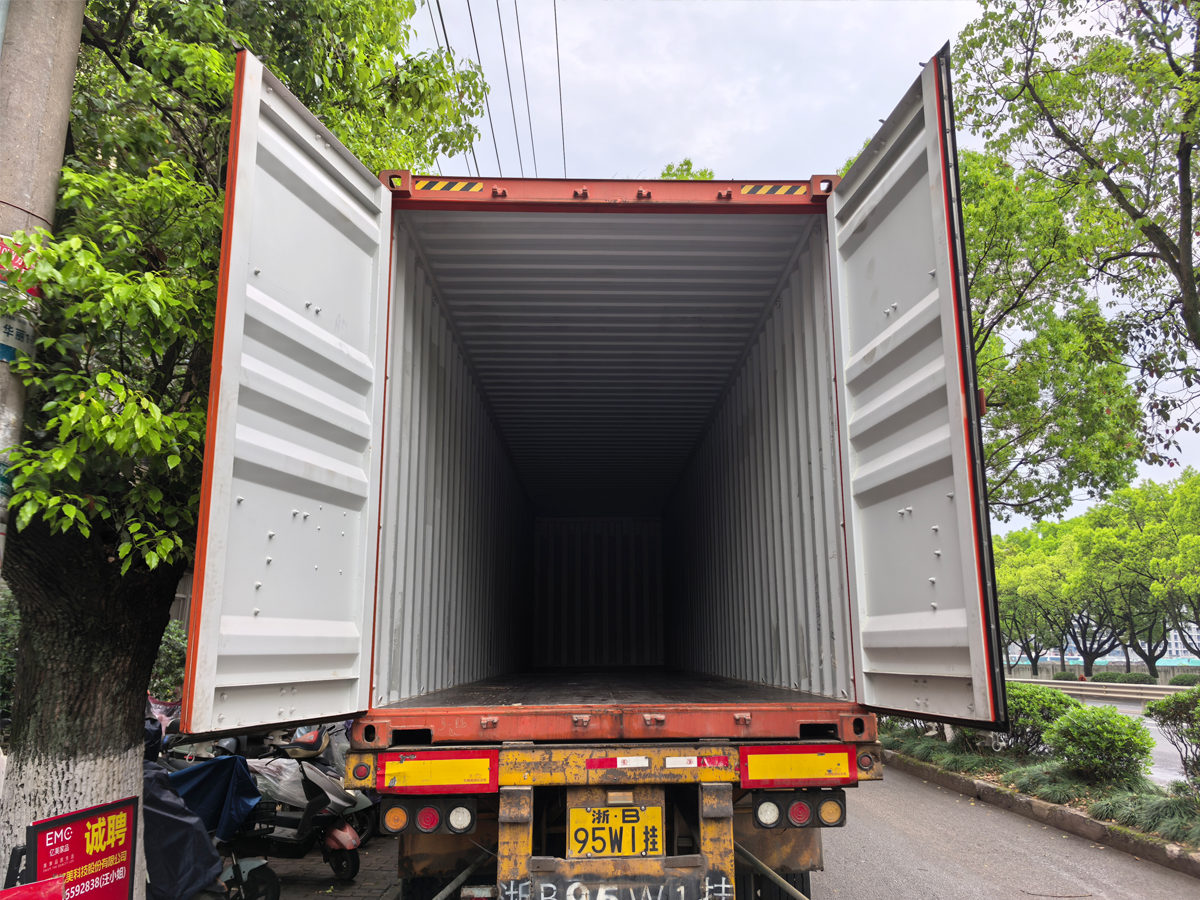
1、Before Loading: Inspect the Container First
We never start loading immediately upon a container’s arrival. Our staff inspects the empty container thoroughly from top to bottom with a flashlight:
Floor check: Are there any holes, cracks or breakages? A damaged floor could give way under a forklift, causing cargo to fall out.
Walls & ceiling check: Any gaps, rust holes or leaks? Rainwater or seawater spray during the voyage could ruin the entire shipment.
Cleanliness check: Any leftover garbage, oil stains or strange odors? For household products, a dirty container is simply unacceptable.
Structural check: Any dents, collisions or deformation? A distorted container not only hinders loading but may also get stuck during unloading at the port.
If any defect is found, we take photos on the spot, inform the relevant parties and the customer immediately, and wait for instructions before deciding whether to use the container. A substandard container will never be used—this is our bottom line.
2、 Loading: Experience Matters, But Rules Matter More
We calculate the total volume based on carton dimensions of each product; a 40-foot container generally holds 55 to 58 cubic meters. Maximizing space efficiency mostly relies on experience, but several on-site rules are strictly enforced:
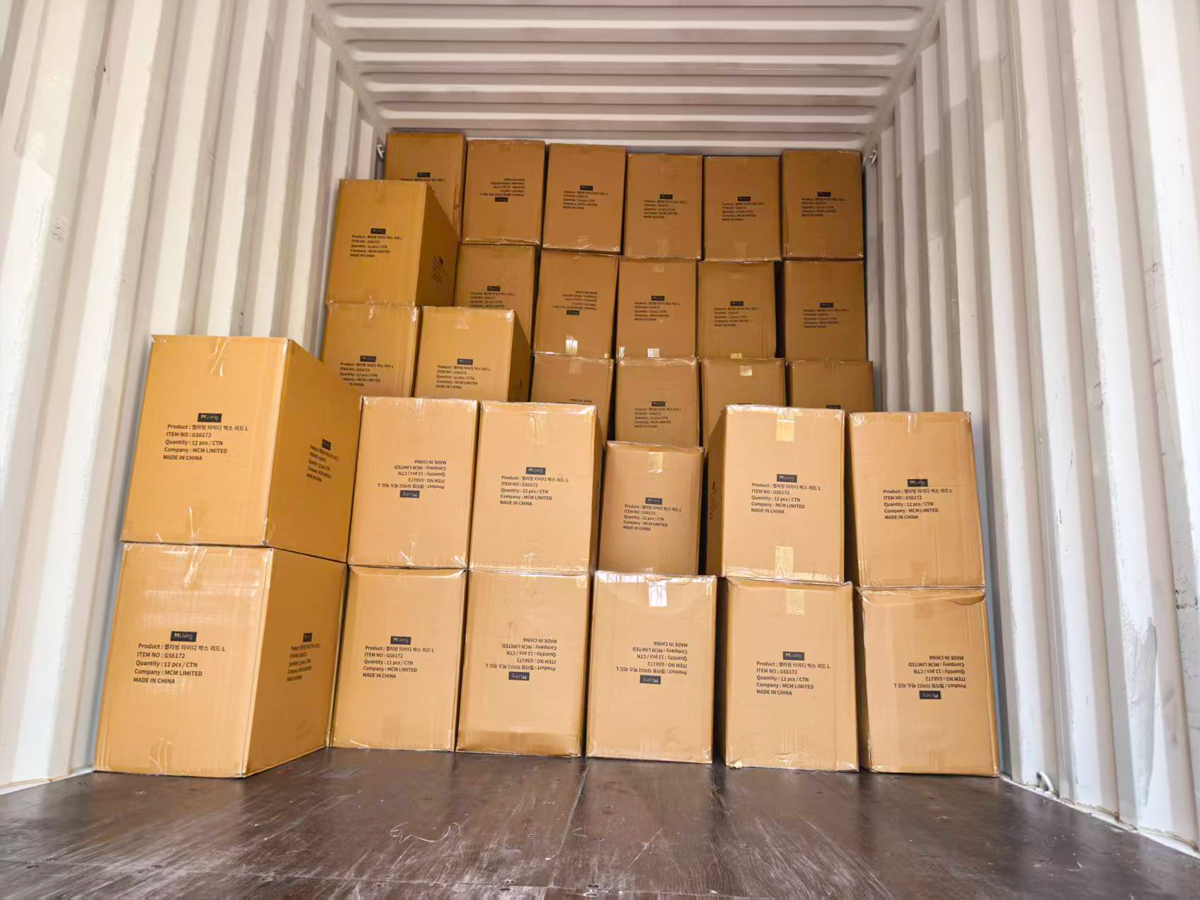
Heavy goods at the bottom, light goods on top. Placing heavy cartons on light ones will crush the lower packages before reaching the destination port.
Even weight distribution & centered center of gravity. Piling all heavy cargo on one end may tip the container when lifted by a forklift. Rough seas can shift or collapse the load, even jamming the container door—we have seen it all happen before.
Fill gaps to prevent shifting. Empty spaces are tightly filled with airbags, cardboards or foams. Without proper bracing, goods collide with each other in transit, resulting in massive damage upon arrival.
3. After Loading: Final Check Before Sealing
We never close the door and leave right after loading is finished.
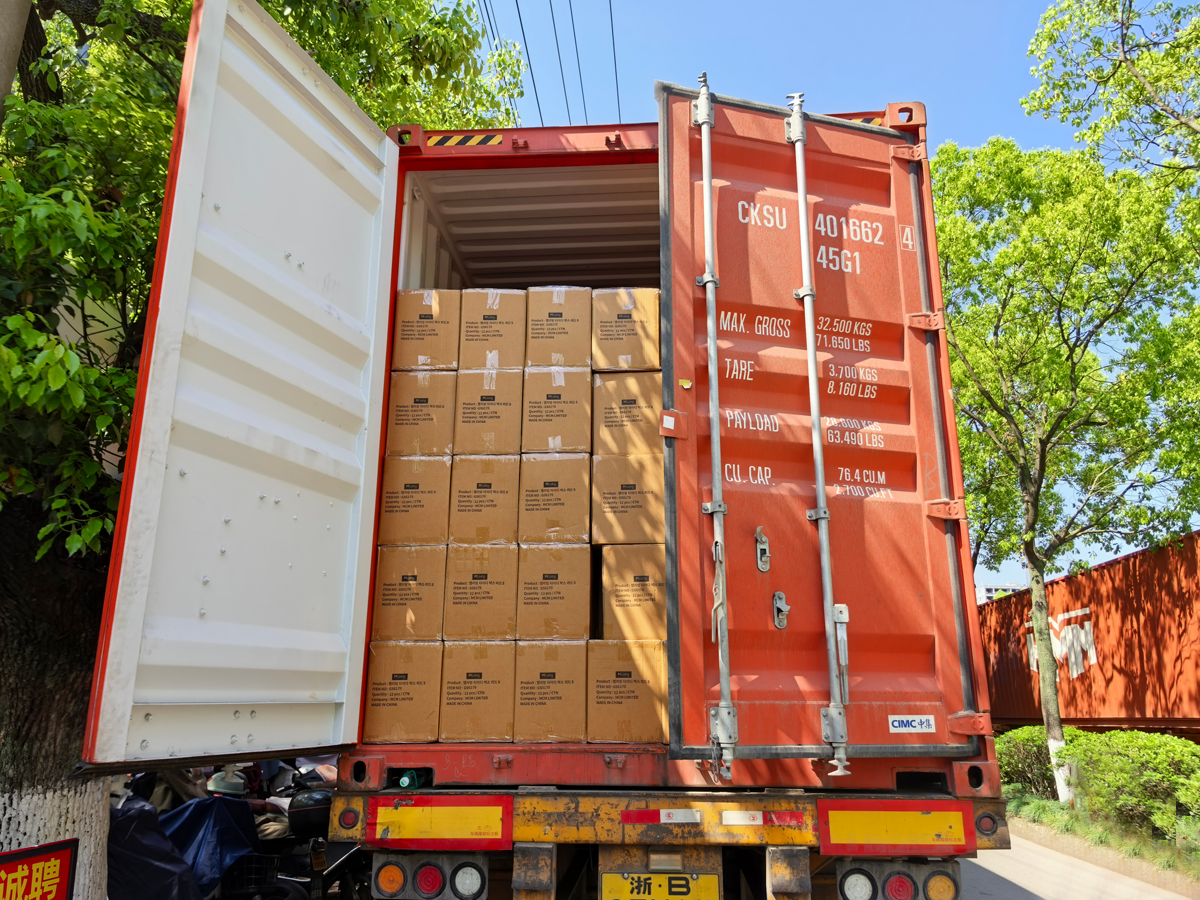
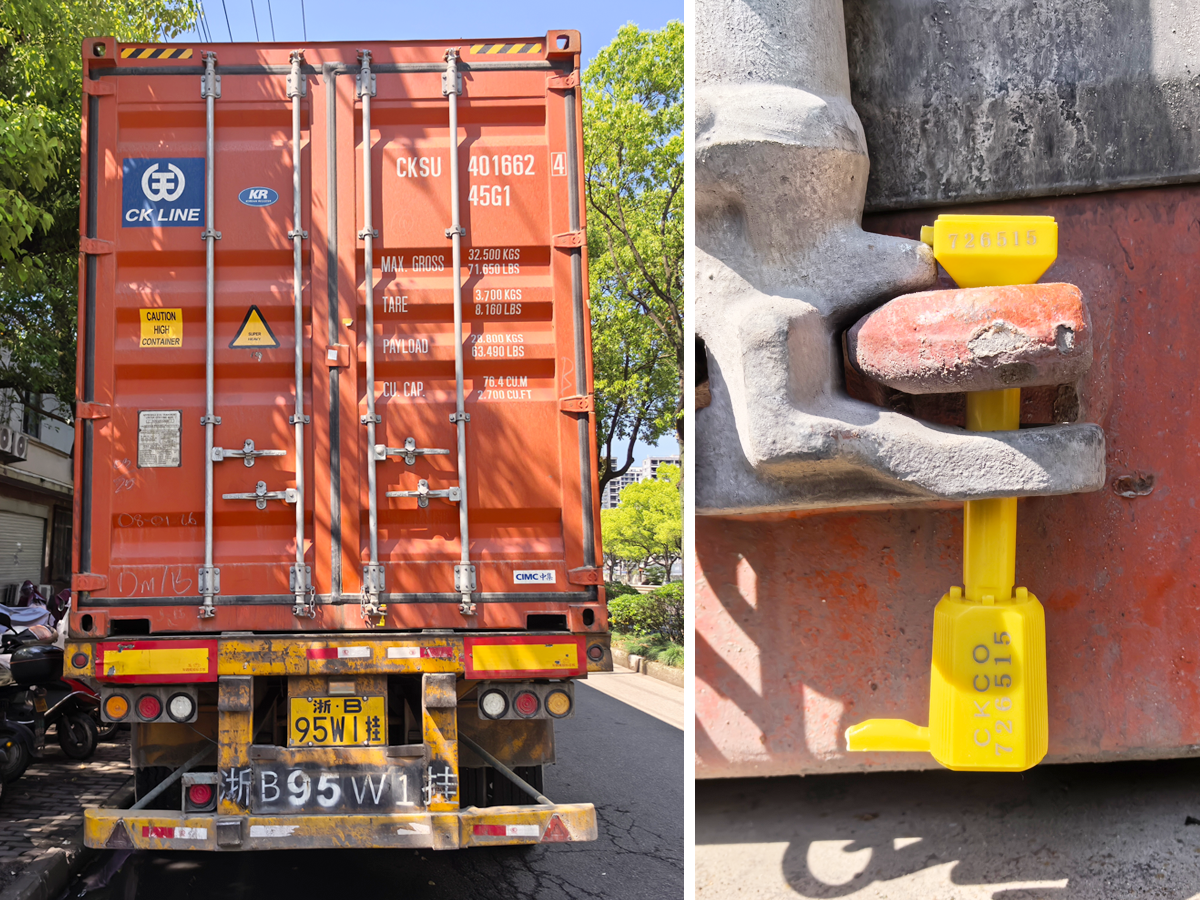
Photo documentation: We take photos at key stages—before loading, during loading, and after completion. Container number, seal number, and stacking condition are all recorded and sent to the customer, so they know exactly how their goods were loaded. These records also serve as evidence for liability tracing if any issue arises.
Seal inspection: The container door is closed to ensure intact seals and secure latches. The one-time security seal is locked, and the seal number is provided to the customer. Any tampering with the seal mid-voyage means the container has been compromised.
Moisture protection: Appropriate desiccants are placed inside the container according to the season and shipping route. For humidity-sensitive products, extra moisture-proof bags are applied outside cartons. These are details customers cannot see, but we know the trouble they prevent.
4. Why We Are So Strict
With over 500 containers shipped each year, loading is a daily routine for us, not an occasional task. The more experience we gain, the more we understand where risks lie. Every container represents the trust our customers place in GREENSIDE.
Customers do not see us crouching to check for floor holes, readjusting pallets to balance weight, or workers sweating while inserting airbags into gaps. All they see is whether the goods arrive undamaged, with correct quantity and on time.
That is why we do everything necessary in places invisible to the customer. Container loading may seem like manual labor, but in truth, it is a job of conscience.
About GREENSIDE
GREENSIDE specializes in the R&D, production and sales of plastic household storage products. With an annual shipment of over 500 containers, we have cargoes sailing across oceans nearly every day. From raw materials and production to packaging and loading, we maintain strict control over every step.
We understand that when customers place orders with us, they are not just purchasing products—they are buying peace of mind. Container loading is the final guarantee of that peace of mind.
Copyright © 2025 by Taizhou Greenside Co., Ltd. - Privacy policy